
Insta360 Luna Ultra Video Quality
This year, Insta360 released the Luna Ultra, and DJI released the Osmo Pocket 4 Pro. These cameras are typically for regular consumers, but what caught my attention was the inclusion of proper LOG profiles, which previous models lacked. They also include an additional 3x (60mm) lens, which makes the camera more practical than relying only on the 1x (20mm) lens, especially for close-ups of people.
While this type of camera is not a full replacement for a proper mirrorless setup, using it as a travel or BTS camera is a major advantage. Yes, there are small cameras like the Sony ZV-E or Panasonic S9, but they require switching lenses and additional support such as a tripod or gimbal. This adds to the overall weight and takes extra time to set up. Cameras like the Luna Ultra make filming a breeze because they offer an all-in-one, lightweight solution that produces good-looking images.
Sharpness test
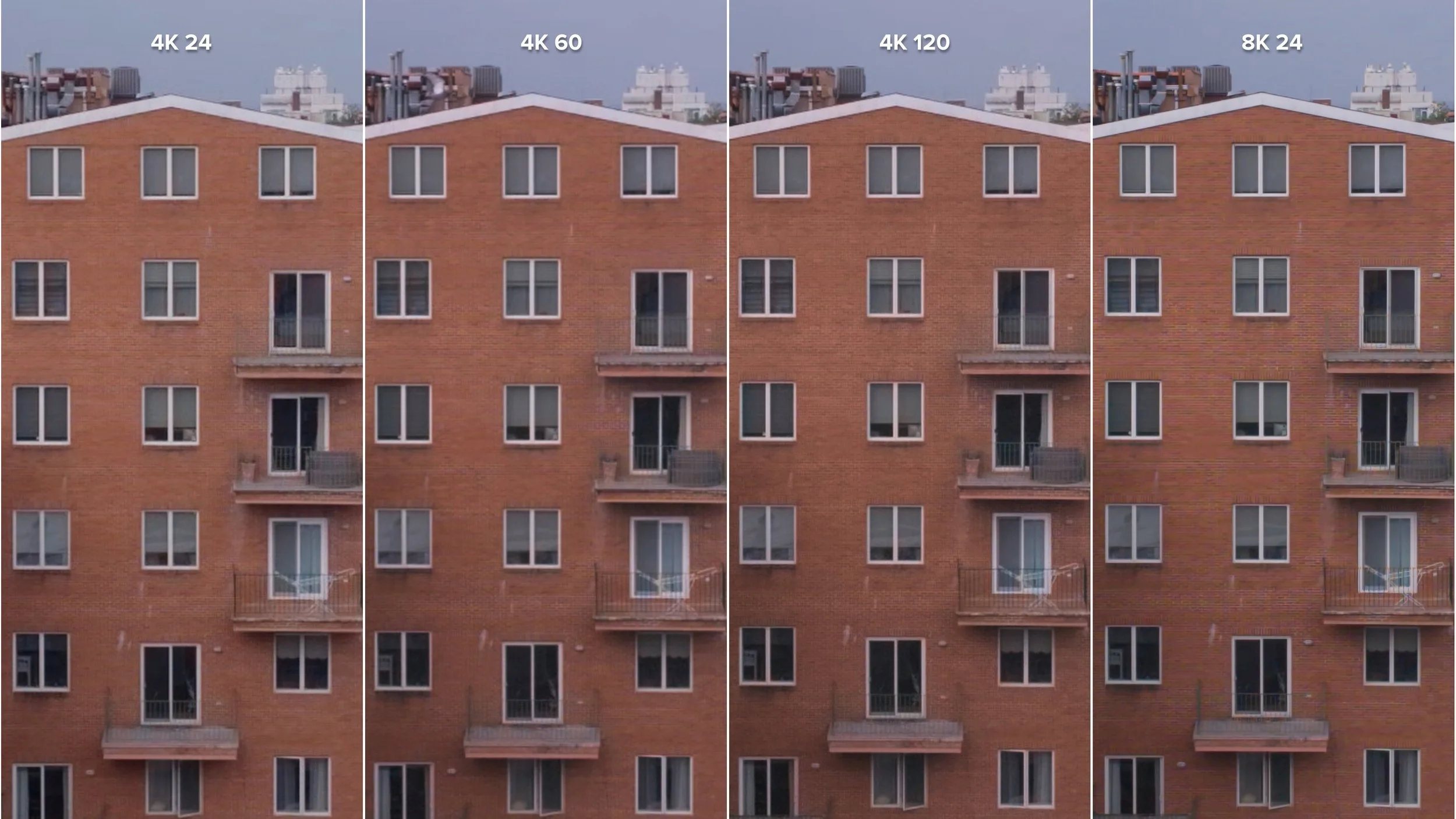
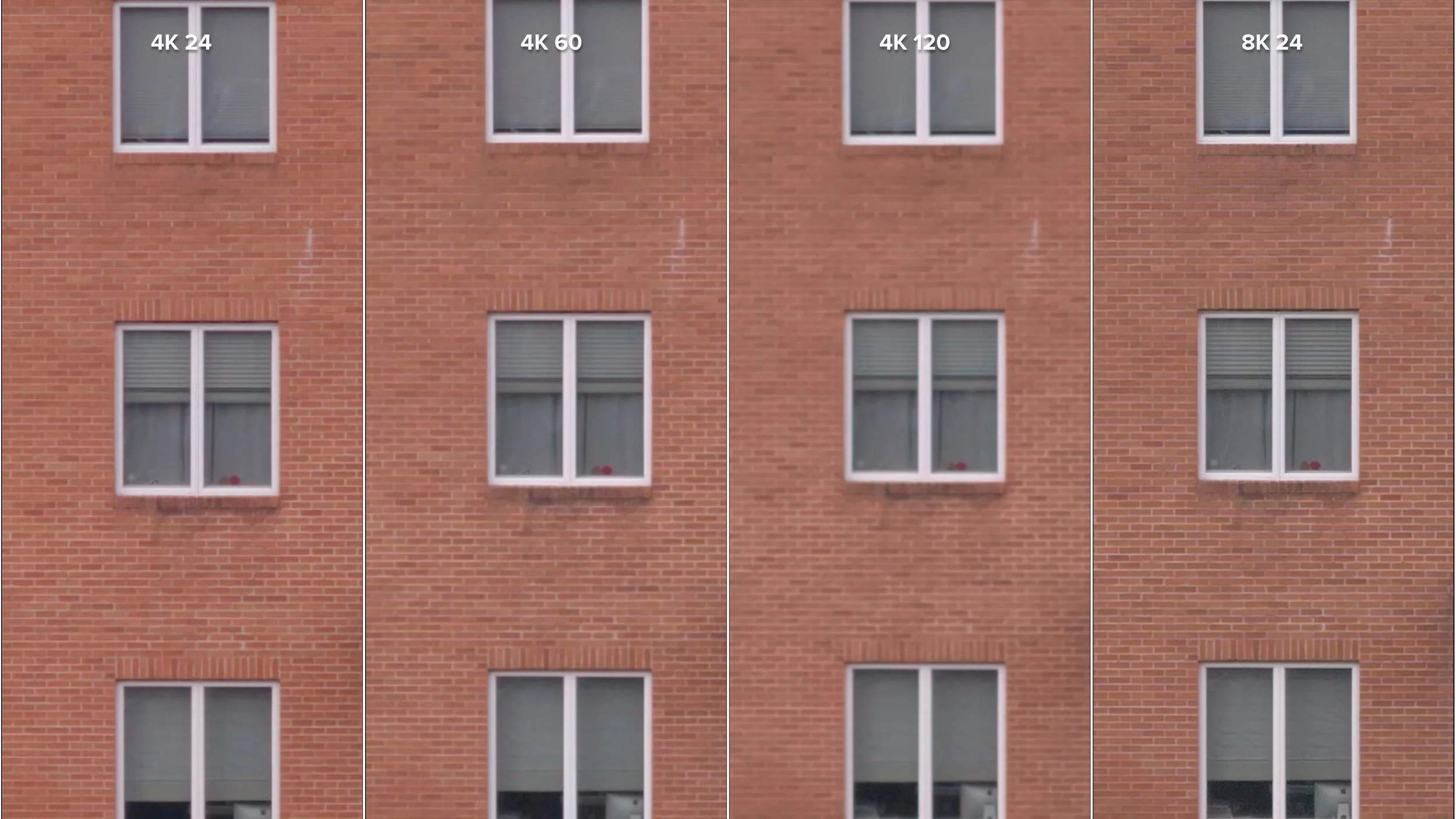
For our sharpness tests, we filmed in I-Log, which does not add in-camera sharpening like a standard color profile would. The Luna Ultra has plenty of detail, but it is not overly sharp; it’s a little softer than the FX3, though not by much. As we can see, the 4K modes look very similar. 4K 60 is a little softer than 4K 24, but not by much. 8K is the sharpest, as expected, and the difference is especially noticeable when using the 3x (60mm) lens. Normally, we avoid filming in 8K due to the file sizes, but the Luna Ultra uses H.265 with a variable bitrate that peaks at around 170 MB/s in High setting, so filming in 8K is not an issue for storage.
ISO Performance
The Luna Ultra's ISO performance is good, given its 1-inch sensor. The footage stays relatively clean when filming in 4K 24 up to ISO 800. At ISO 1600 and higher, however, the shadows become very noisy and show compression artifacts due to the low bitrate. This performance is consistent between the 1x (20mm) and 3x (60mm) lenses.
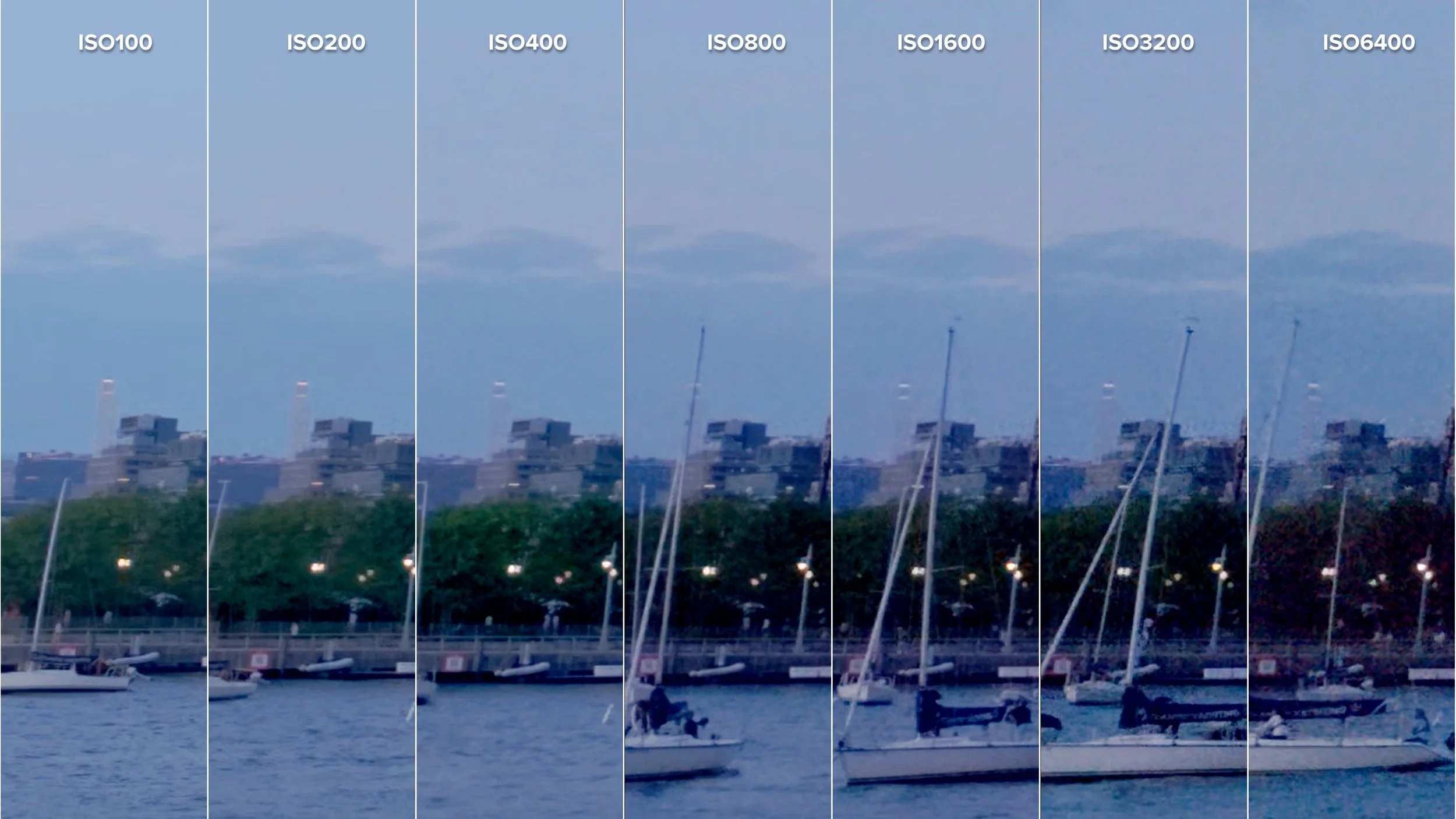
Insta360 Luna Ultra ISO Range 20mm Lens
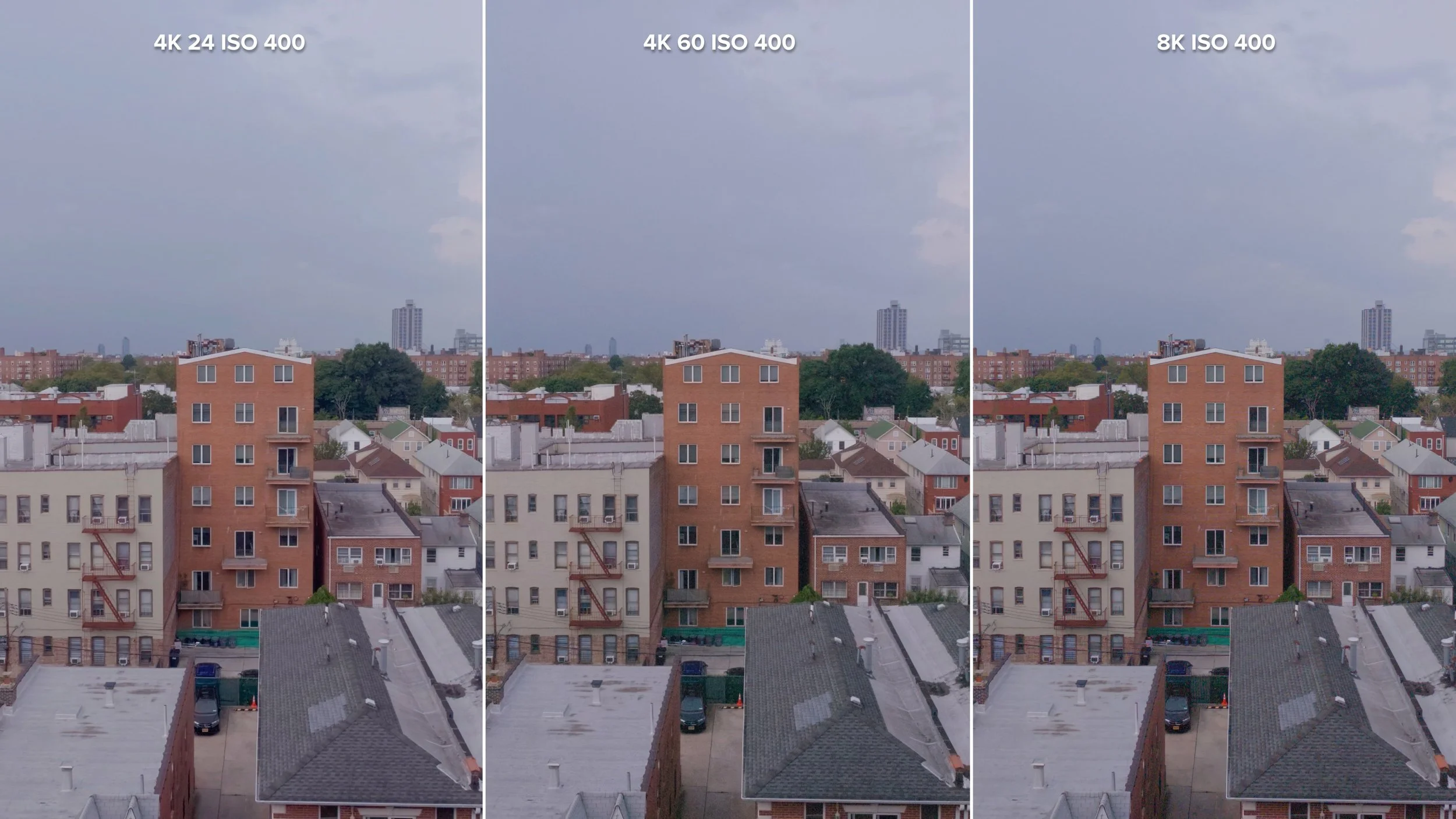
In 4K 60, 4K 120, and 8K modes, it’s slightly different. Because these modes require more processing, the internal noise reduction algorithm is either disabled or less efficient. As a result, there is more pronounced noise starting at ISO 400. The high frame rates have more noise than the 8K mode, but all of them are much noisier than 4K 24. We would not recommend shooting at high frame rates above ISO 400 due to the pronounced shadow noise.
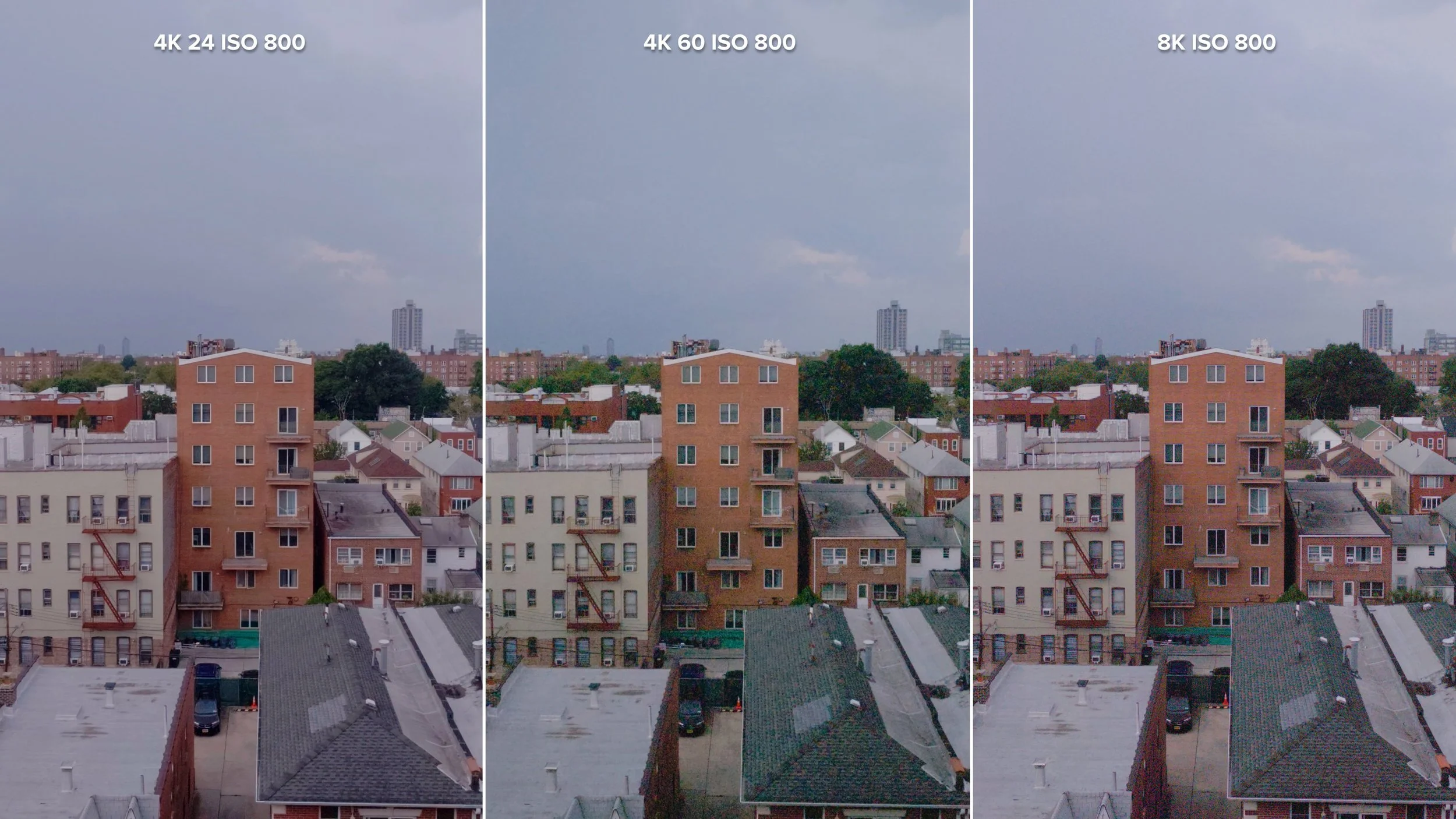
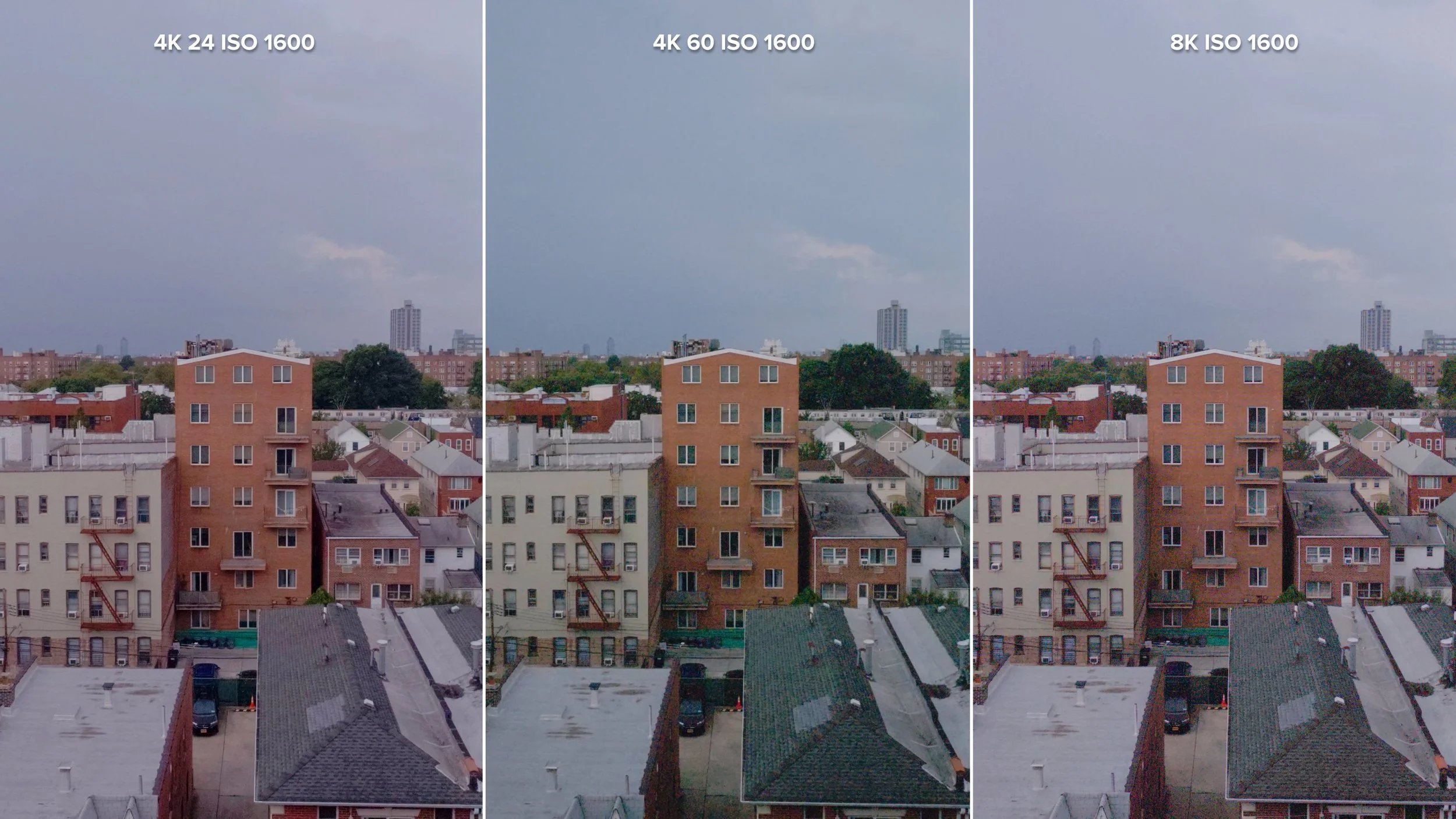
The camera has a dedicated low-light mode called Pure Video, and it is very effective. The problem is that this mode only supports standard color profiles. The noise reduction is also very aggressive, resulting in unnatural-looking faces and fine details.
Zoom range
The Luna Ultra has two dedicated lenses, but it also allows for a digital crop up to 2x on the 20mm lens and 4x on the 60mm lens. Surprisingly, the 2x crop (40mm) performs very well despite being a digital zoom. It loses some detail and gets darker, but it still looks surprisingly good, and I can see myself using it. Obviously, the optical 3x (60mm) looks much better.
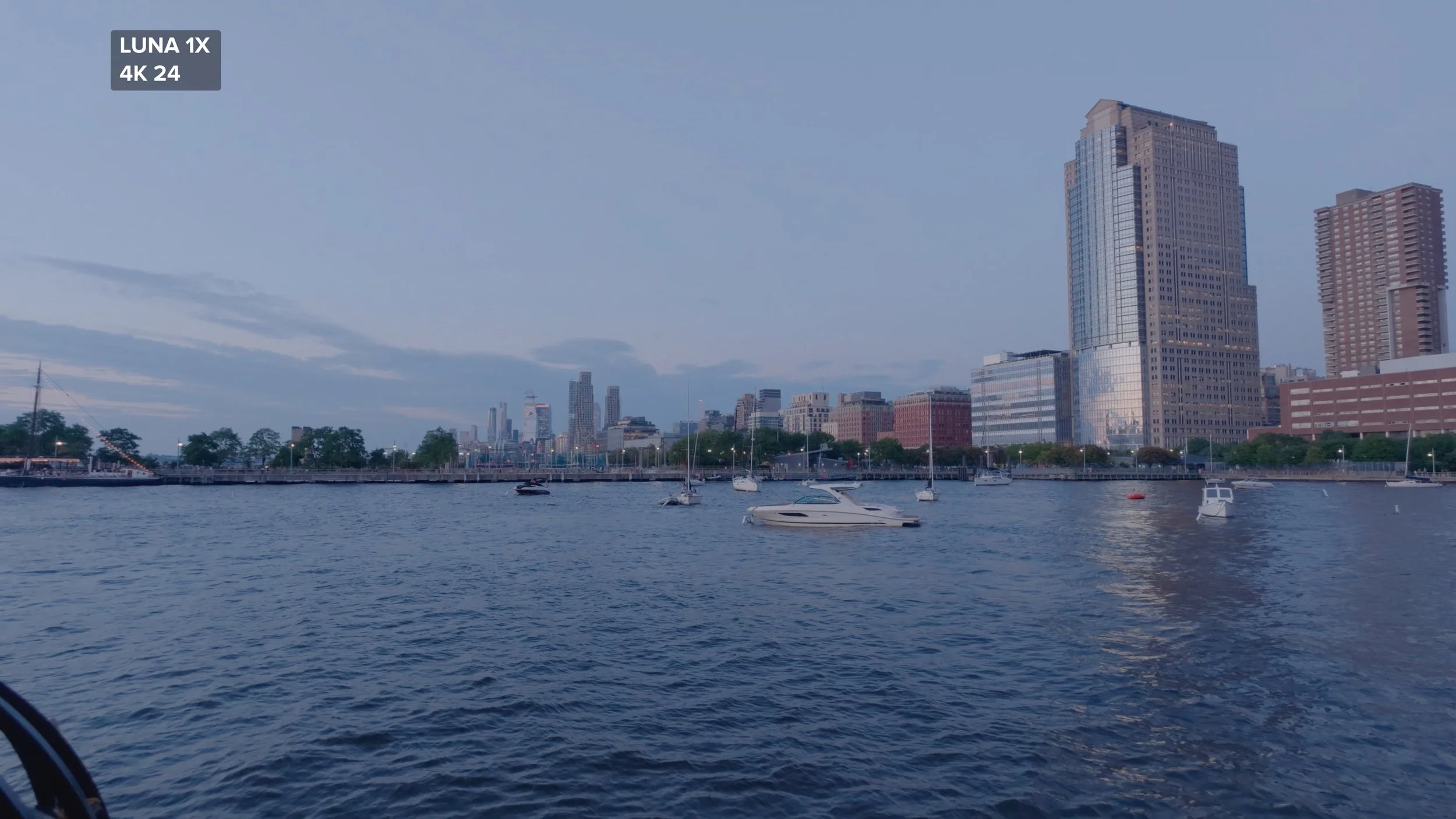
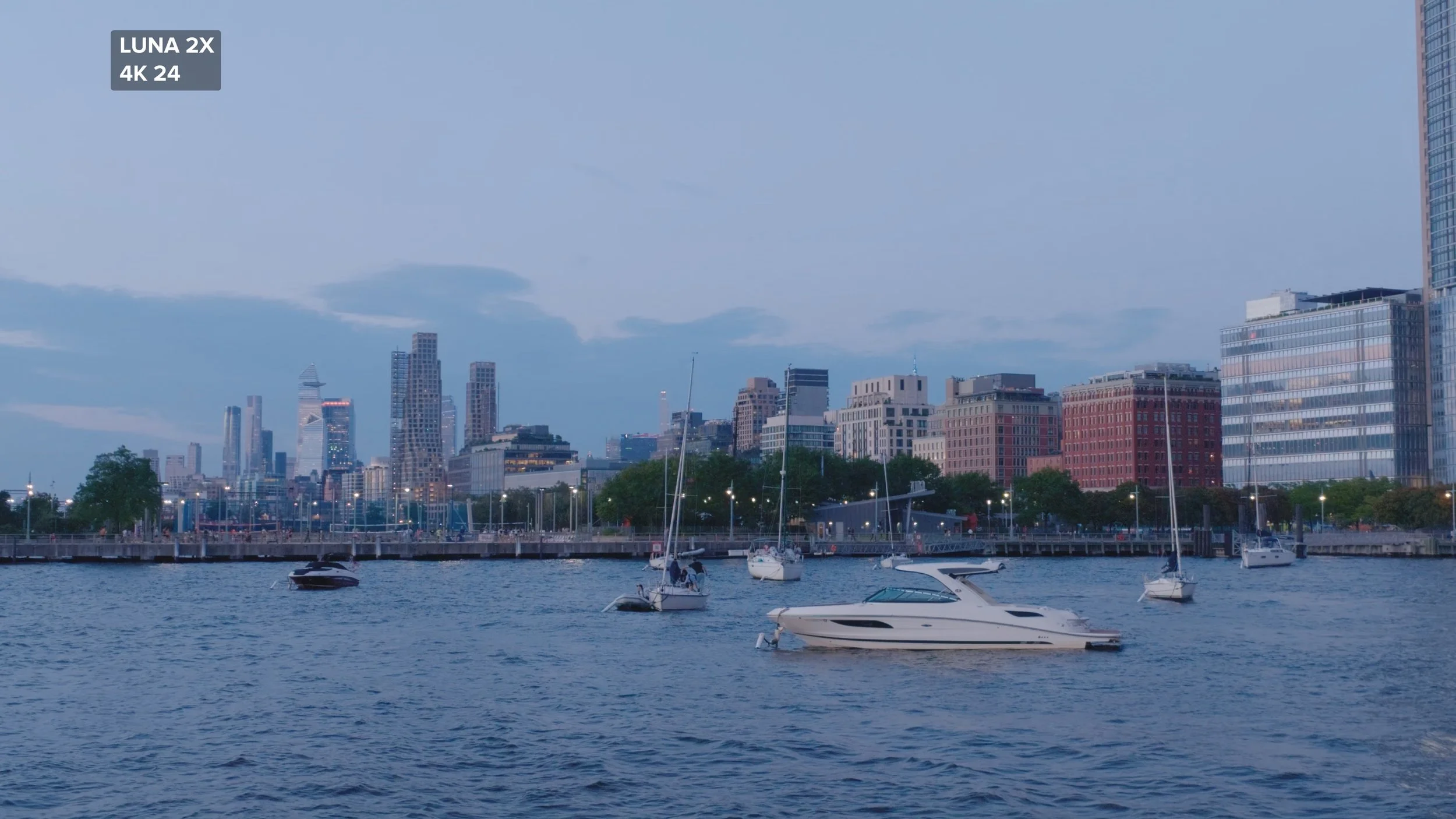
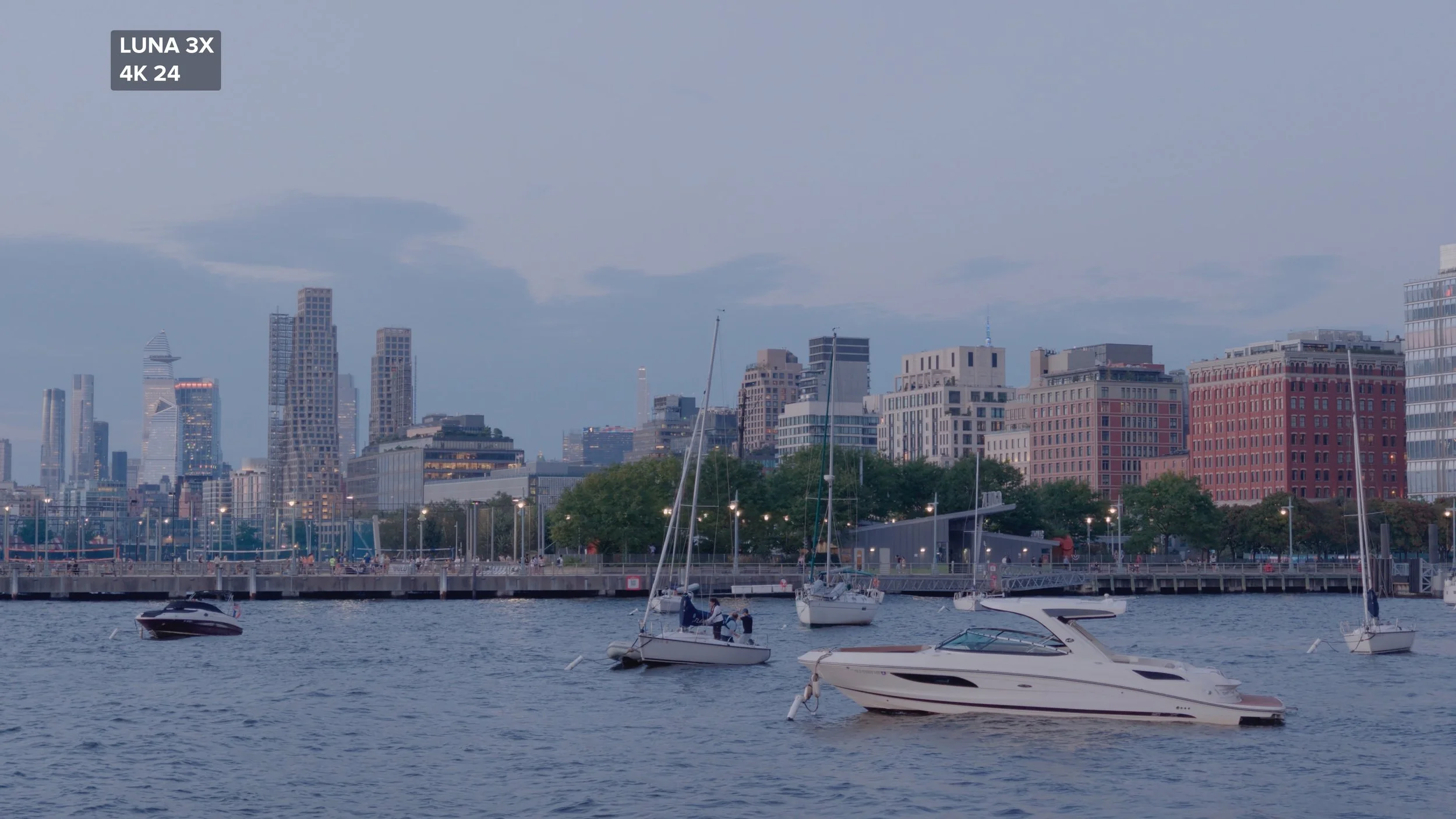
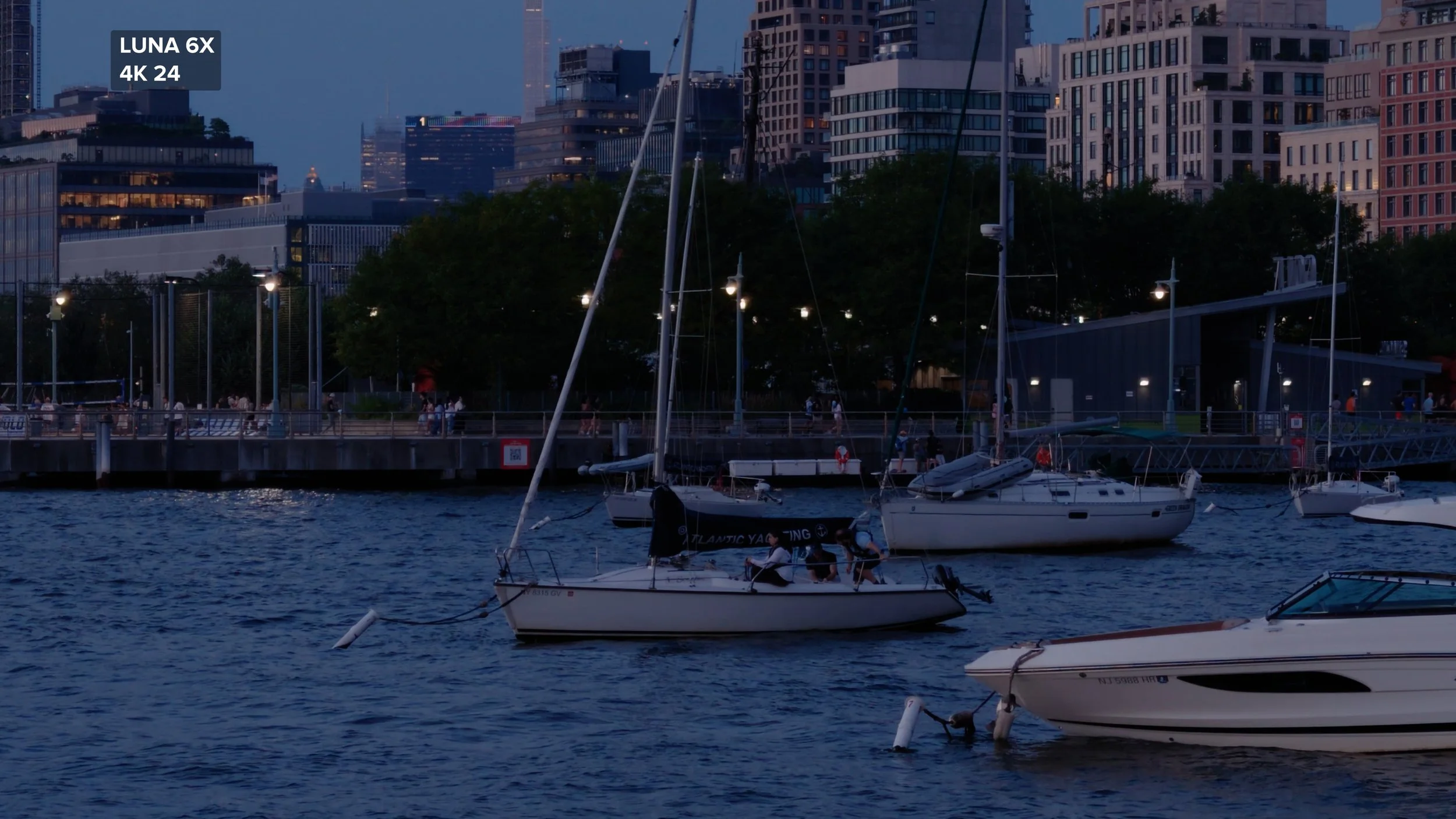
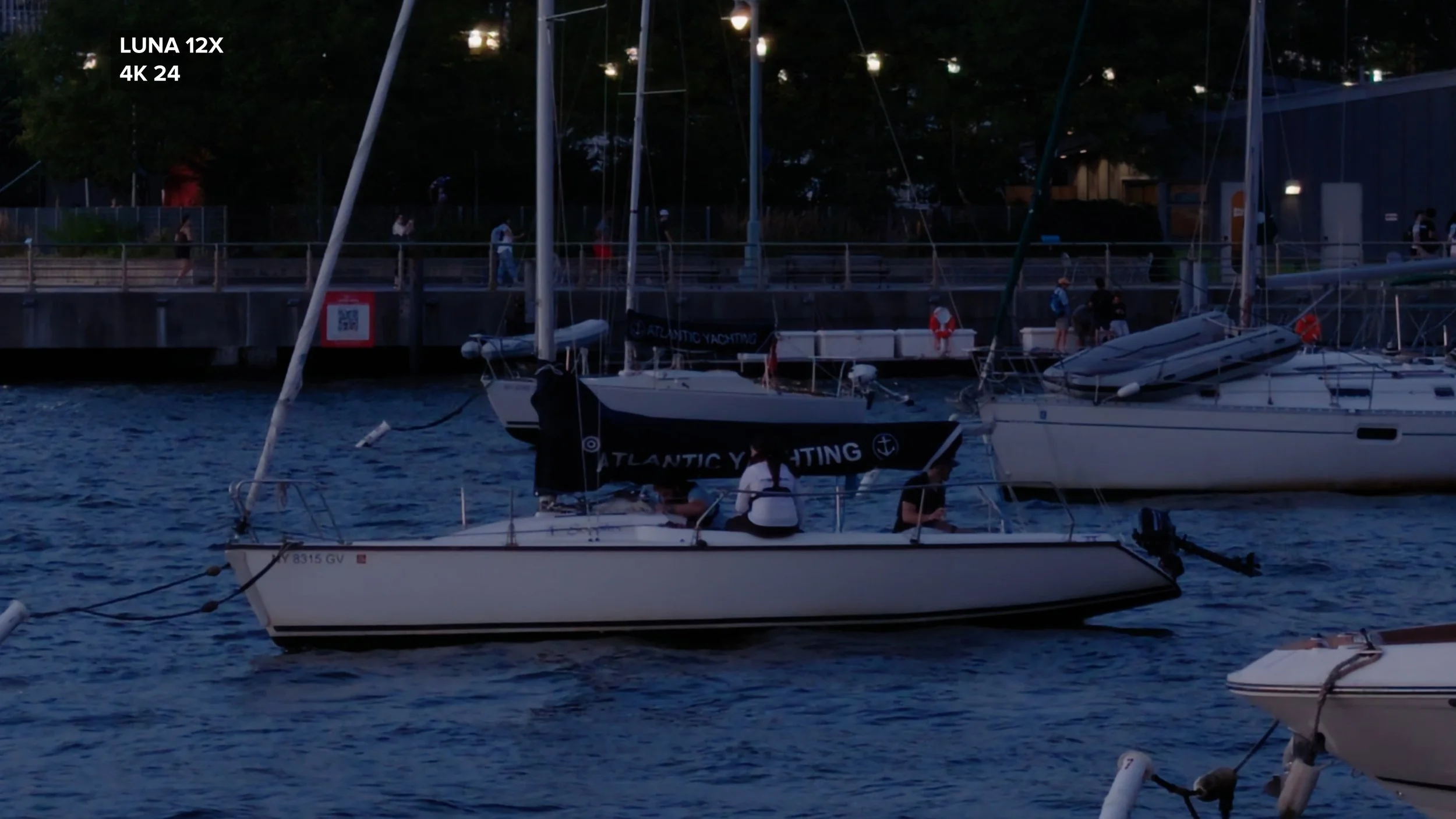
The 2x and 4x digital crops for the 60mm lens are not very usable.
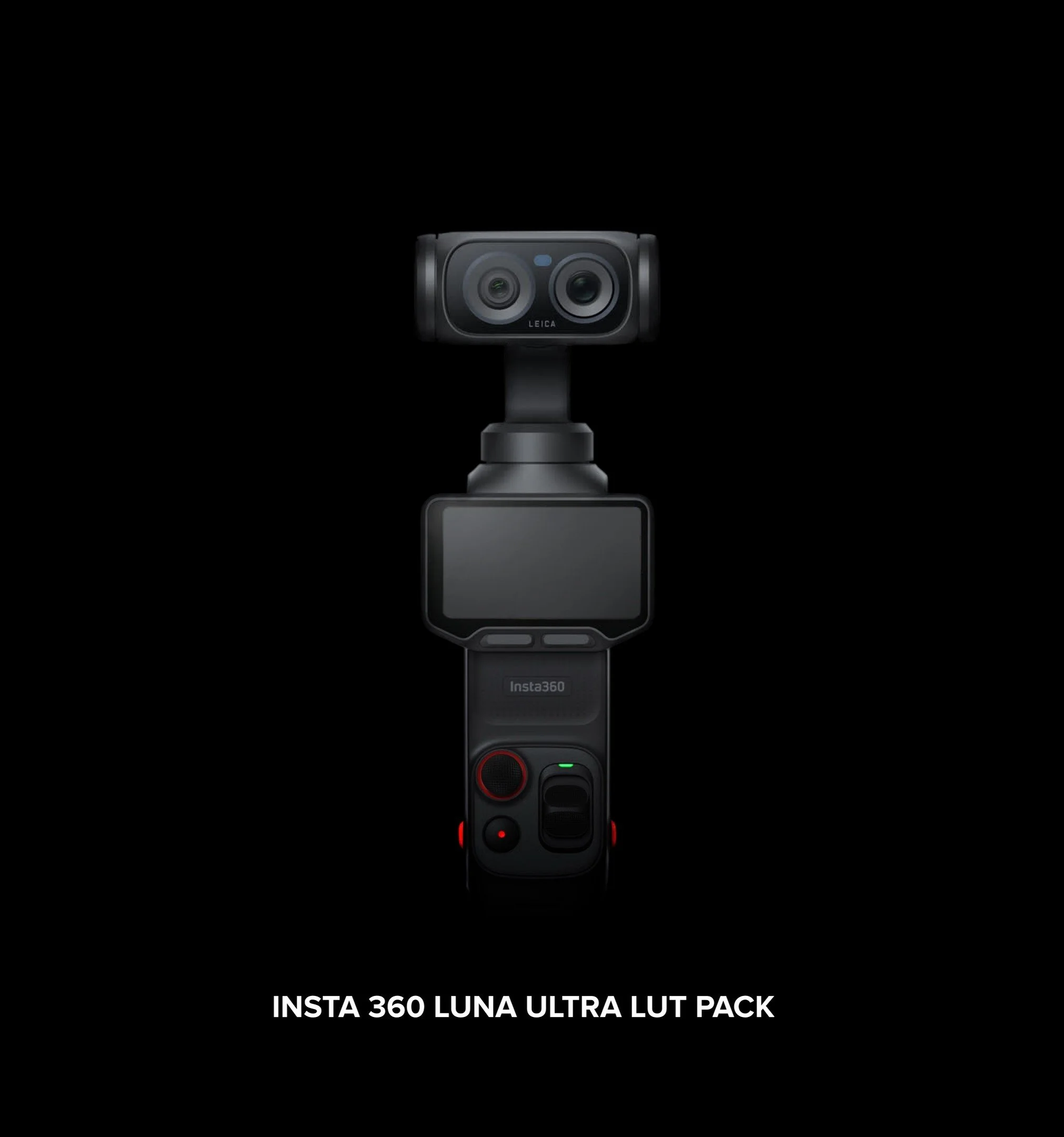
High-quality cinematic LUT package for Insta360 Luna Ultra camera. Supports Leica I-Log Gamma.
The LUT pack includes a base 709 color transform, an ARRI Alexa color science LUT, a cinematic teal-toned shadows LUT, and a film emulation LUT.
The pack also features exposure compensation LUTs.
Click here for the examples.
Dynamic Range
It’s hard to test the dynamic range properly due to the lack of proper in-camera metering and the inconsistent ISO performance. Some people speculate that the native ISO of this camera is 400, but there’s no official information from Insta360. For this type of camera, it’s best to stay at the lowest possible ISO for the best-looking image.
From our testing, the dynamic range is good for a sensor of this size when using I-Log. The main thing to keep in mind is that the latitude is very limited. Setting the correct exposure during filming is crucial for getting the best-looking image, since there is no room to restore shadow information after capture.
Audio
I usually focus on image quality in our camera reviews and completely ignore the audio, but in this case we want to mention that the onboard microphone on this camera is really good. It is very effective at suppressing wind noise, and the sound is clear and well-defined. It has the best audio quality out of all mirrorless cameras with built-in microphones. That is a low bar, yes, but we were pleasantly surprised by how it sounds.
Color
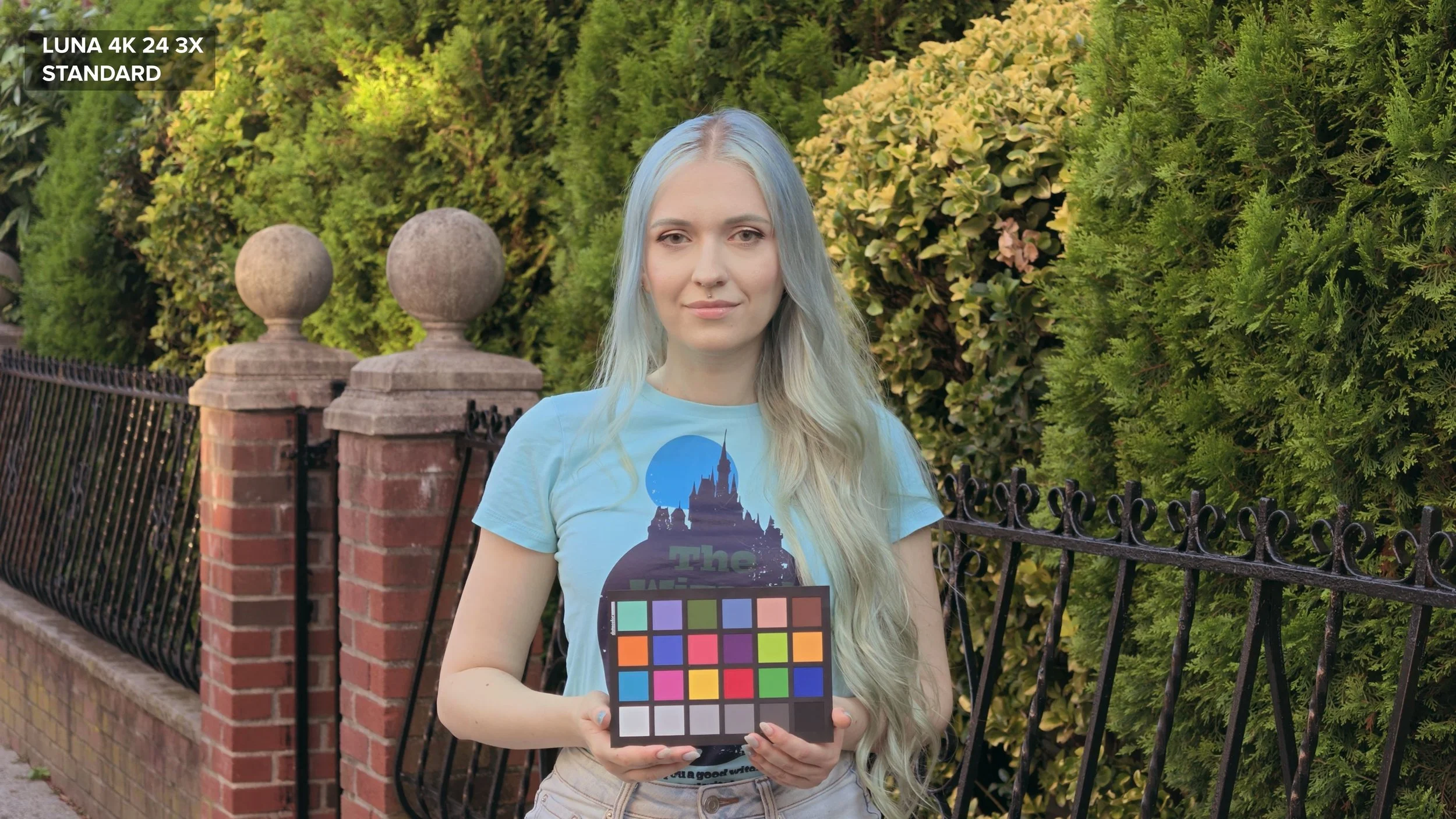
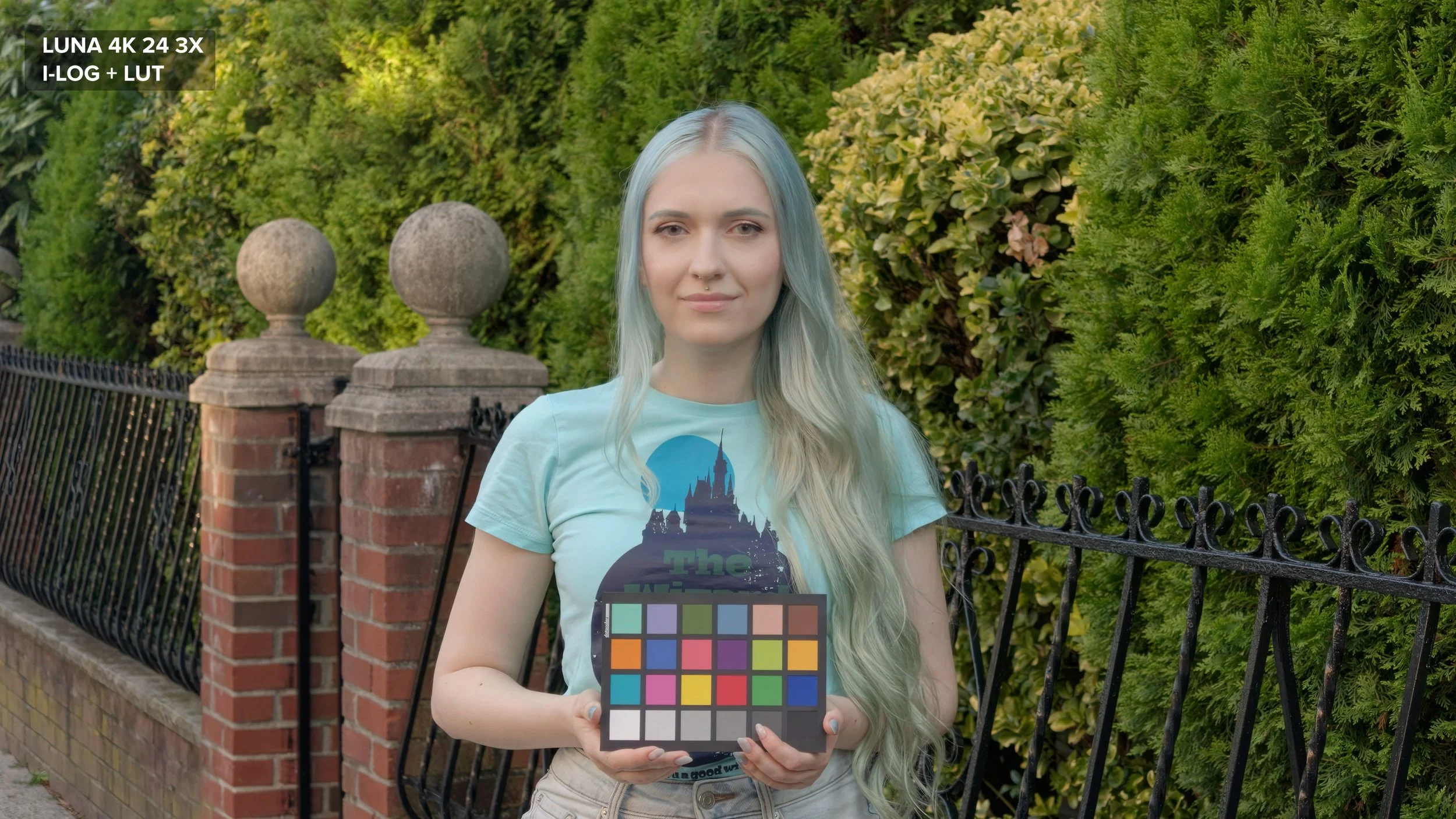
The Luna Ultra features a LOG profile named I-Log with a Rec. 2020 gamut in 10bit. The I-Log color looks nice straight out of the camera, with pleasing skin tones and organic looking-image, much better than the oversharpened standard profile. Insta360 provides a LUT to transform I-Log footage into Rec. 709, and it works well enough, but it’s too saturated. If you want a more professional look, you can grab ARRI Alexa color science and film emulations specifically created for the Luna Ultra on our website.
Verdict
The Luna Ultra is a great concept and is capable of producing great images. It has some quirks, some of which can be solved via firmware updates in the future. I think Insta360 created a great camera for a general audience, but there are several areas to improve to make it a must-have second camera for filmmakers and video enthusiasts.